
The evolution of gambling A journey through history’s bets and games
The Origins of Gambling
The concept of gambling dates back to ancient civilizations, with evidence found in artifacts from Mesopotamia, Egypt, and China. These early forms of betting often revolved around simple games of chance and were linked to religious practices. In many cultures, casting lots or throwing dice was seen as a way to communicate with deities, often for divination purposes. This foundational practice laid the groundwork for what would evolve into more structured forms of gambling, which today includes a range of options such as real money poker sites.
As societies advanced, so did the methods of betting. The introduction of cards in the 9th century in China marked a significant turning point. From these early decks, various card games emerged, leading to the development of intricate betting systems. The allure of gambling grew, drawing in participants from all walks of life and setting the stage for more sophisticated gambling institutions.
The Rise of Casinos in Europe
The emergence of casinos in Europe during the 17th century represented a notable evolution in the gambling landscape. The term “casino” itself comes from Italian, meaning a small house or villa, often associated with pleasure and amusement. These venues became hotspots for the elite, offering various games including baccarat and roulette, which appealed to those seeking both entertainment and financial gain.
The formalization of casinos also brought about regulations, ensuring fairness and safety for patrons. This shift helped to mainstream gambling, transforming it into a popular activity beyond the aristocracy. As casinos flourished, they began to feature elaborate themes and opulent designs, further attracting diverse audiences and cementing gambling’s place in entertainment.
The Influence of Technology
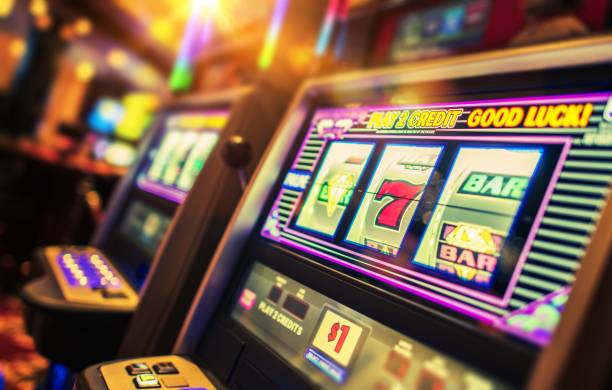
The 20th century witnessed a technological revolution that significantly influenced gambling. The introduction of mechanical slot machines in the early 1900s transformed the industry, making gambling more accessible to the masses. These machines quickly became popular in bars and saloons, offering instant gratification with the chance to win big.
As technology advanced, online gambling emerged in the late 1990s, reshaping how people approached betting. The internet provided unprecedented convenience, allowing players to participate in games from the comfort of their homes. This evolution not only expanded the market but also necessitated new regulations and security measures to protect players in the digital space.
The Modern Gambling Landscape
Today, gambling encompasses a wide array of experiences, from traditional brick-and-mortar casinos to immersive online platforms. The rise of mobile technology has further revolutionized the industry, enabling users to place bets and play games on the go. This accessibility has led to an exponential increase in the number of participants, making gambling a mainstream form of entertainment.
Additionally, themed casinos have gained popularity, offering unique experiences that attract specific demographics. From immersive experiences based on popular movies or cultural themes to luxurious environments that focus on high-stakes gambling, these venues cater to the desires of modern gamblers. The fusion of entertainment and gaming continues to drive the evolution of the industry.

Engaging with Online Gambling Platforms
The modern landscape of gambling has expanded beyond physical venues, creating opportunities for online platforms that cater to diverse audiences. These platforms often employ advanced technologies to provide a secure and engaging experience for users. Players can access a variety of games, participate in live dealer options, and enjoy interactive environments from their devices.
Moreover, platforms dedicated to sports broadcasting play an essential role in enhancing the gambling experience. They provide real-time updates, insights, and analytics, allowing users to make informed betting decisions. This fusion of entertainment and information underscores the ongoing evolution of gambling, showcasing how it continues to adapt to modern preferences and technological advancements.
